
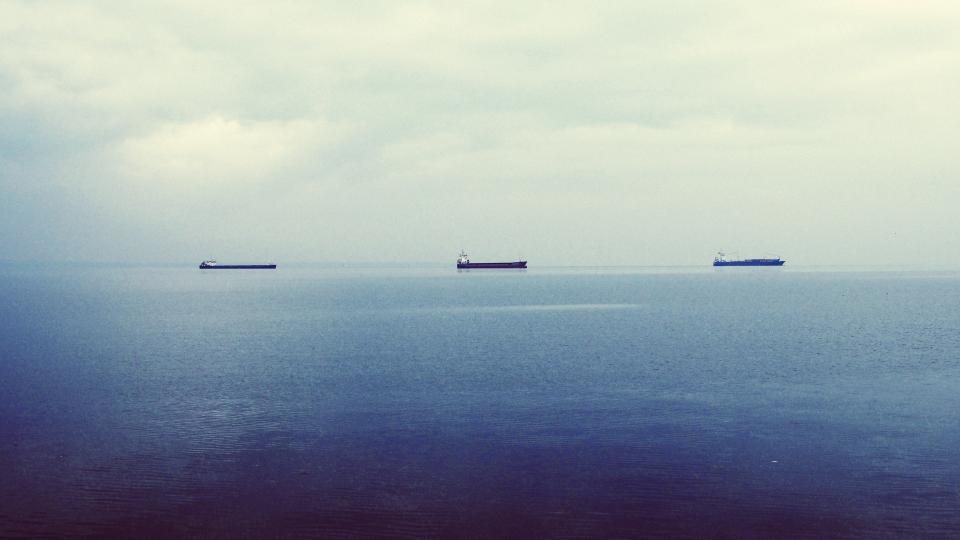
There is a moment, standing at the edge of a lake with the water lapping at our ankles, when every part of us would rather turn round and go home. That moment is the whole point. Wild swimming is not about being tough. It is about learning, slowly and on our own terms, that cold water is a place we can visit and return from feeling more alive than when we went in. This is a guide to the first dip: what the cold does to a body, how to stay safe, and why the best swims are short, shared and unhurried.
What cold water does to us
Anything below about 15 degrees Celsius counts as cold water, and most lakes, rivers and seas in temperate climates spend more than half the year below that line. In summer a lowland lake might reach 18 or 20 degrees; by late autumn it will be back in single figures, and in winter many inland waters sit between 3 and 6 degrees.
The first thing the body does on entering cold water is gasp. This is cold water shock: an involuntary intake of breath followed by rapid, shallow breathing and a sharp rise in heart rate. It lasts roughly a minute, sometimes ninety seconds, and it is the single most dangerous phase of any swim, because a gasp taken with our face underwater is a gasp of water. The remedy is simple and slow. We walk in. We let the water reach our waist, then our chest, and we stand there breathing out longer than we breathe in until the panic passes. Only then do we push off.
After the shock comes the pleasant part, and then, if we stay too long, the quiet part. Cold water pulls heat from the arms and legs first, and within ten to thirty minutes, depending on the temperature, hands lose grip and strokes become clumsy. This is called swim failure, and it arrives before hypothermia does. The rule most experienced dippers pass on is that the swim should end while we still feel good, not when we start to feel bad.
Choosing the first place
The kindest first swim is in a lake or a slow river with a gently shelving, sandy or pebbly bottom, so we can walk in and walk out. We look for a spot where we can see the bed, where the water is clear enough to judge depth, and where there is an easy exit within a few strokes of wherever we plan to be. We avoid weirs, the outside bend of a river where the current runs fastest, anywhere below a dam or sluice, and any water that looks or smells wrong.
In late summer, still water sometimes turns a thick pea-green with blue-green algae, which can make people and dogs ill. A scum on the surface or a paint-like film at the edge is a reason to walk on. Rivers rise fast after heavy rain and carry more than water when they do; a day or two of dry weather after a storm is a better time to go.
The sea is its own subject. A sheltered bay at slack water on a calm day is a fine first dip. A beach with surf, a headland with a rip or an estuary with a strong ebb is not.
What to take, and what to leave
We do not need much, and none of it needs to be new. This is the whole kit for a first cold dip:
- A bright tow float, clipped to the waist, so we can be seen and have something to hold.
- Soft shoes that can get wet, because stony beds hurt and rusty metal hides in shallows.
- A wool or fleece hat, worn in the water if the air is cold. A surprising amount of comfort comes from a warm head.
- Two towels, a big dry robe or coat, loose warm layers, and thick socks laid out in the order we will put them on.
- A hot drink in a flask and something sweet to eat afterwards.
What we leave at home is the idea of a target. Distance and time can come later, if they come at all. The first dip is a dip.
Never alone, and other small rules
We swim with someone, always. If the companion does not want to get in, they stand on the bank with a phone and a warm coat and watch, which is a real job. We tell them how long we plan to be in and we stick to it. We swim parallel to the shore rather than out into the middle, so the exit is always a short way off. We do not jump or dive into water we have not first waded into; the shock is worse, and the depth is unknown.
A cautious rule of thumb passed around cold-water swimmers is a minute or so in the water for each degree of temperature, and shorter still on a first visit. In 8-degree water that is a few minutes at most. It is not a scientific limit, only a reminder that the cold is doing its work whether we feel it or not.
Getting out and getting warm
The odd thing about cold water is that the coldest we will feel is not in the water but ten or twenty minutes after leaving it. Blood returning to the chilled limbs cools the core, and the shivering that follows is called afterdrop. It is normal, but it means we do not stand around chatting in a wet costume.
We get out while we can still walk steadily. We dry the top half first, get a hat and a dry top on, and only then deal with the legs. We dress in the layers laid out before the swim, drink something warm, eat something, and move gently, a walk rather than a run. A hot shower or a hot bath straight afterwards can make the afterdrop worse by pulling blood to the skin, so we leave that for an hour.
Why we keep going back
The science on cold water and mood is still young, but the experience is not. A short cold dip on a grey morning leaves most of us clearer, calmer and unreasonably cheerful for the rest of the day. There is also the slower pleasure of noticing a place change through the year: the first frost on the reeds, the swallows skimming in May, the water darkening as the leaves turn.
Wild swimming asks very little of us. A walk to the water, a slow entry, a few minutes of breathing and looking, and a careful, warm exit. Everything else, the long swims and the winter dips, can wait until the body has learned the shape of the cold. The first time, it is enough to get in, get out and notice that we did.