
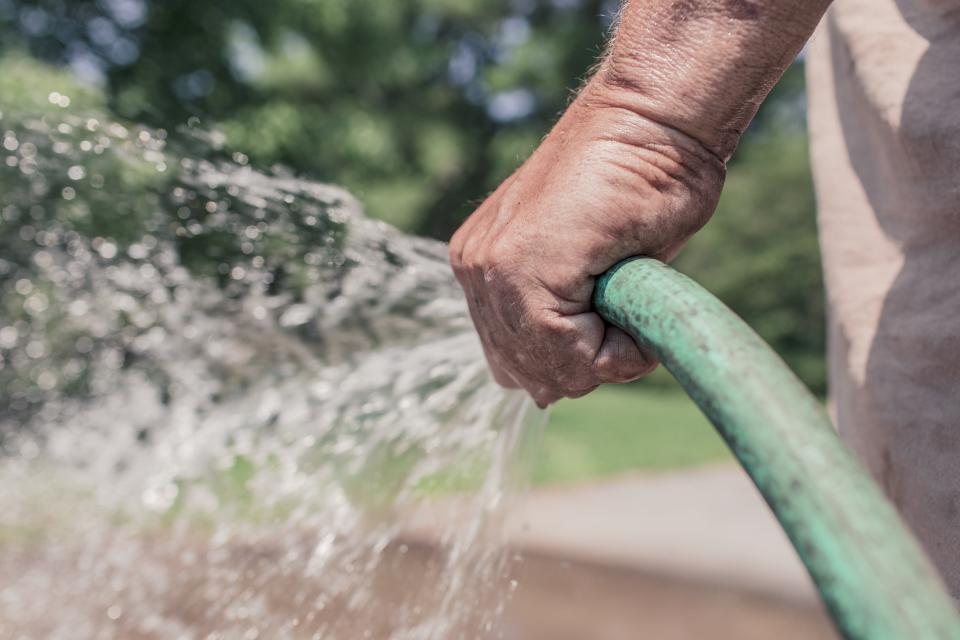
There is a habit of mind that puts gardening in a separate box from “being outdoors”. The garden is a chore, the outdoors is a treat, and never the twain shall meet. We would like to dismantle that box. An hour spent weeding a bed or planting out seedlings is an hour under the sky, in the weather, with your hands in soil, surrounded by birds and insects that have arrived precisely because of what you are doing. It is outdoor time of a very high quality, and it is available on a balcony as much as in a field.
This article is for people who want more time outside and cannot always get to a hill or a beach. The garden, the allotment, the window box and the shared courtyard are where that time is hiding.
What an hour in the garden actually is
Start with the physical facts. Exercise scientists classify general gardening as moderate activity, on a par with brisk walking, and digging, raking and turning compost as somewhat heavier. An hour of ordinary garden work therefore counts towards the 150 minutes of moderate activity a week that health guidance in most countries suggests. It also uses the body differently from walking: bending, lifting, reaching and kneeling, which are exactly the movements many of us lose as we get older.
It is also an hour of daylight, which matters for sleep and mood, and an hour of hands in soil. There is a reasonable body of research on soil bacteria and mood, and a far larger body of ordinary experience: most gardeners will tell you they come in calmer than they went out. We are not going to overclaim. We will only say that in our experience the effect is reliable.
The garden as a wild place
A garden is a habitat you manage, and it is astonishing how quickly life notices. Leave a corner of long grass and grasshoppers arrive. Plant a single lavender and the bumblebees find it within days. Dig a pond the size of a washing-up bowl and something will lay eggs in it by the following spring. A pile of logs in the shade will hold beetles, woodlice, centipedes and, with luck, a toad.
Gardening for wildlife is not a separate discipline from gardening for pleasure. It is mostly a matter of doing slightly less: mowing less often, leaving seed heads standing through winter, not clearing every leaf, and choosing flowers with open centres that insects can reach. The reward is a garden that is busy, and a reason to sit outside and watch it.
Birds follow the insects. A garden with a few native shrubs, a water dish and a patch of unmown grass will have a blackbird, a robin, wrens, tits and finches within a season. Over time you will learn their routines as well as you know your own.
Balconies, windowsills and shared ground
None of this requires a lawn. A balcony with three large pots, a windowsill with herbs, or a share of a communal courtyard offers most of what a garden does at a smaller scale. Pots dry out faster and need watering most days in summer, which sounds like a burden and is in fact the point: it is a reason to step outside twice a day and look at the sky.
Herbs are the easiest way in. Thyme, rosemary, sage, mint and chives tolerate neglect, flower for insects and end up in dinner. A single tomato in a large pot on a sunny balcony will produce for months. Bulbs planted in October give crocuses in February and tulips in April in the same pots, and a small tray of water on the ledge brings sparrows to drink.
Community gardens and allotments add something a private garden cannot: other people. For anyone living alone or new to a place, a plot is outdoor time with a social structure built in, and a great deal of free advice.
Working with the year
The garden forces a calendar on you, which is one of its quiet gifts. Roughly, in a temperate climate:
- Late winter is for pruning, planning and the first sowings under cover.
- Spring is for sowing outdoors after the last frost, planting out and weeding almost daily.
- Summer is watering, harvesting, deadheading and sitting down in the evening to look at it.
- Autumn is bulbs, leaf collecting, compost and the pleasure of putting things to bed.
- Early winter is the shortest list: tidying tools, watching birds on the feeder, and rest.
The dates shift with where you live and with each year’s weather, and the last frost is a moving target rather than a fixed day, so local knowledge beats any printed chart. The point is not to get the timing perfect. It is that each season has a reason to go outside, including the ones when a walk feels like effort.
Gardening with limits
Gardening can be adapted to almost any body. Raised beds at waist height remove the need to kneel or bend. Long-handled tools reach the back of a bed from a chair or a wheelchair. Pots on a table are a garden for anyone who cannot get down to the ground. Lightweight watering cans, or a hose on a reel, replace heavy carrying. Ten minutes a day is a perfectly respectable amount of gardening, and many of the best gardens we know are kept in ten-minute pieces.
For small children, the garden is often the first outdoor place they are allowed to own. A patch of soil that is theirs, a packet of large seeds such as beans or sunflowers, and permission to get dirty will do more for their sense of the outdoors than a dozen trips to a beauty spot.
Keeping the outdoor part in mind
The risk with gardening is that it becomes a list, and lists are done with the head down. So we suggest one small rule: every session ends with sitting. Five minutes on the step, the bench or the upturned bucket, looking at what has changed. That is when you notice the first bee of the year, the blackbird’s second brood, the smell of rain arriving on warm soil.
Gardening is not the thing you do instead of going outside. Done with a little attention, it is going outside, on ground you know better than any other, every day of the year.