
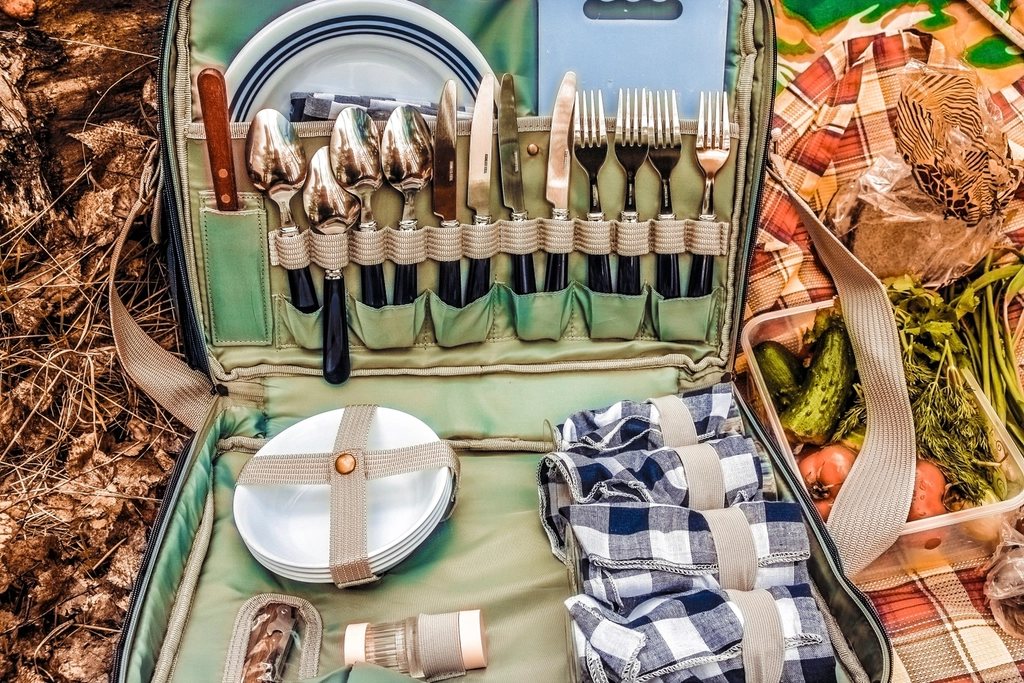
A picnic is one of the oldest ways of being outdoors on purpose, and one of the most easily ruined. We have all sat on a damp verge with a warm sandwich and a wasp, wondering why we bothered. The difference between that and a meal we still talk about years later is not money. It is a handful of decisions made in the kitchen before leaving, and a willingness to carry a little more than feels sensible.
This is our working method, refined over many summers and a surprising number of winters. It assumes no car, no cool box on wheels and no particular skill. It does assume you are willing to plan for about fifteen minutes.
Choose the spot before the food
The single most common mistake is to pack first and decide where to go later. The place shapes everything. A shaded spot under a big tree in July means the butter stays firm and nobody gets sunstroke. A south-facing bank in March means you can sit in a coat and feel warm. A place near water is lovely and usually ten degrees cooler in the wind, which matters more than people expect.
Think about the ground. Short grass on a slight slope drains and dries fastest after rain. Long grass hides ticks in summer. Sand gets into everything. A low wall, a fallen log or a public bench makes a picnic possible for anyone who cannot easily get down to the ground and up again, and that includes a lot of us on a bad day.
Finally, think about the walk in. A picnic thirty minutes from the nearest road is a different meal from one carried five minutes from a bus stop. Both are good; only one is good with a glass jar of soup.
Cold food that is genuinely better cold
The best picnic food is food that was designed to be eaten cold or at air temperature, not hot food that has given up. Cold roast vegetables with oil and salt. Hard cheese. Firm fruit such as apples, plums and grapes rather than anything that bruises. Bread with a crust, sliced at the spot rather than at home so it does not dry out. Olives, pickles, a jar of something sharp. Cold new potatoes with mustard. A frittata or a thick slice of tart that holds its shape.
Avoid anything that needs to be assembled with wet hands, anything with a sauce that will leak, and anything that goes limp within an hour of being made. Leaves dressed at home are a mistake; dress them there, or leave them out.
Food safety matters more than it seems on a warm day. Most food agencies give the same general guidance: perishable food should not spend more than about two hours between 5 and 60 degrees, and only about one hour when the air is above 30 degrees. Insulated bags with two frozen blocks buy several hours in shade. Frozen bottles of water do the same job and become drinking water later.
The few things worth carrying
A surprising amount of picnic misery comes from not having one small item. Our list has settled at this:
- A groundsheet or a blanket with a waterproof backing, because damp is what ends a picnic early.
- One proper knife with a cover, a small board and a cloth. Plastic cutlery snaps on cheese.
- Real cups or enamel mugs. Drinking from a bottle is fine; sharing from one is not.
- A lidded container for the rubbish and another for leftovers, so nothing goes back loose.
- Salt, a lemon and a small bottle of oil. They rescue almost anything.
- A bag for wet things and a bag for dry things, kept apart.
Everything else is optional. A sitting pad makes a difference for anyone with a stiff back. A small flask of hot water lets you make tea or warm a baby’s food. Binoculars turn a long lunch into a short bird walk. A book is the best excuse anyone has ever found for staying an extra hour.
Weight, and how to share it
Food is heavy and water is heavier. A litre weighs a kilogram, and a family of four on a warm afternoon will want at least three. The way around this is to carry water in several small bottles across several people, freeze one or two of them, and plan a return route past a tap if you know of one. Glass is lovely on the blanket and awful on the walk; decant into lighter containers and carry the pretty jar only when the walk is short.
Sharing the load also shares the ownership. Children who carried the plums are noticeably more interested in eating them. Older relatives who are handed the blanket rather than the bag arrive in better humour. We have found that a picnic where everyone carries something, however small, feels more like an outing and less like a service.
Slow down when you arrive
The instinct on arrival is to unpack everything immediately. Resist it. Sit for five minutes first. Let the group find its places, take off shoes, notice the light and the sound of the place. Then lay out the food in stages: bread and something salty first, the main things when people are settled, fruit and sweet things last, when the conversation has slowed.
Eating outside takes longer than eating indoors, and that is the entire point. A good picnic lasts two or three hours, most of it not eating. People wander off to look at the river. Someone falls asleep. Someone spots a kestrel. The meal becomes a base rather than an event.
Leaving it better
The last twenty minutes of a picnic are the ones that decide whether the place is still good next year. Everything that came in goes out, including the stone from the plum and the crust the child dropped. Food scraps are not harmless: they draw rats and crows, and they teach foxes to approach families. Check the grass after the blanket is folded; bottle tops and cocktail sticks hide well.
If you used a bench, wipe it. If you moved a log, put it back. If the bin is full, carry the bag home. None of this takes long, and it is the quiet difference between people who use a place and people who look after it.
A picnic worth the effort is not elaborate. It is a well-chosen spot, a few things that taste better outside, enough water, a dry blanket and the decision to stay longer than you meant to. Everything else is decoration.