
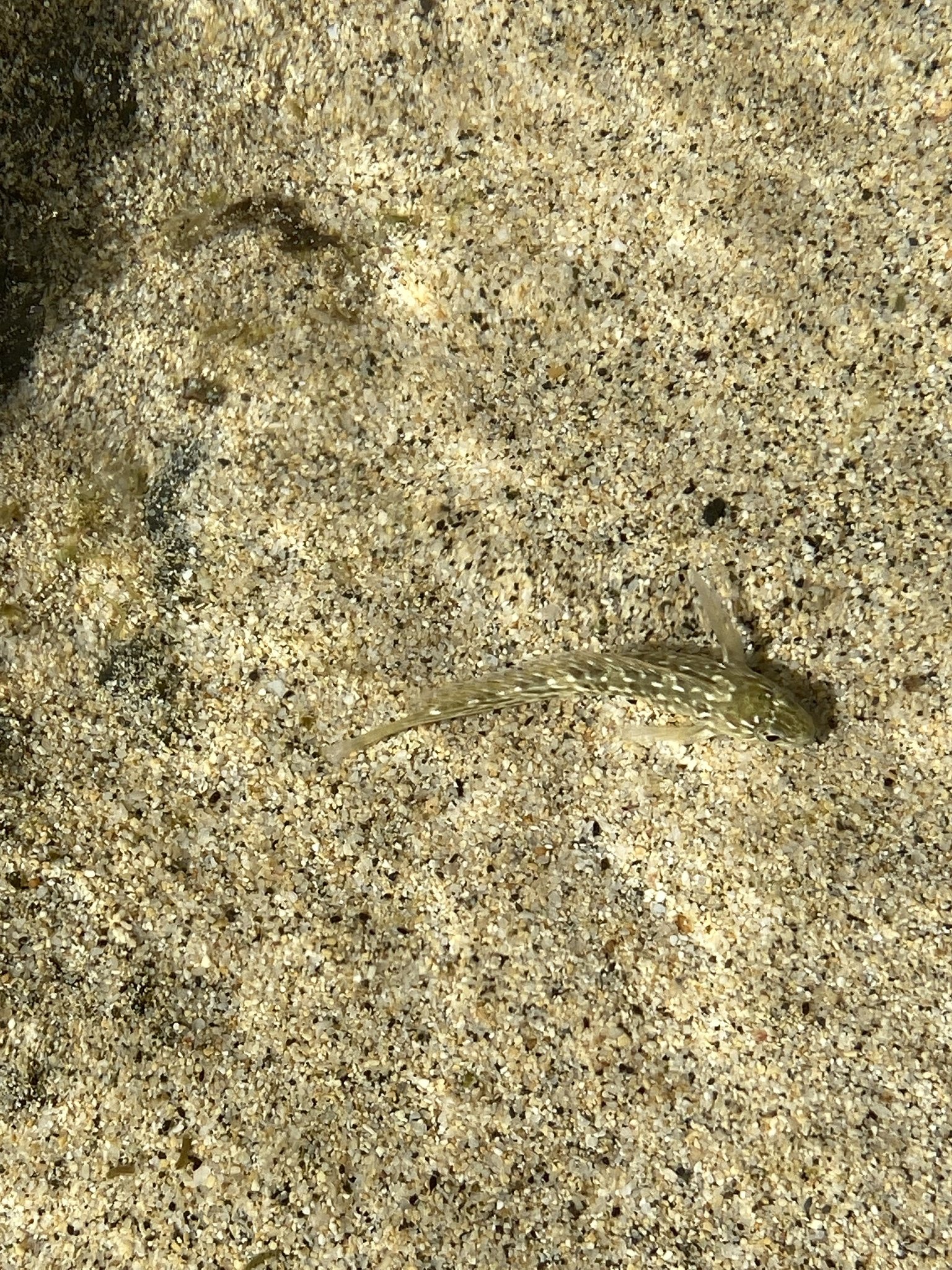
Twice a day the sea steps back and shows us a country that is normally hidden: a landscape of wet rock, weed and small pools where crabs, anemones and little fish wait for the water to return. Rock pooling is the gentlest kind of wildlife watching there is. It needs no equipment beyond a pair of shoes that can get wet, it suits a three-year-old as well as a grandparent, and the whole show is free. What it does need is an understanding of the tide, because the tide decides when the country is open and, just as firmly, when it closes.
How the tide works, briefly
The Moon pulls the ocean toward it, raising a bulge of water on the side of the Earth facing it and, by a quirk of gravity, another on the far side. As the Earth turns beneath those bulges, most coasts see two high tides and two low tides roughly every 24 hours and 50 minutes, which is why high water arrives about fifty minutes later each day.
The size of the tide changes through the month. When the Sun and Moon line up, at new moon and full moon, their pulls add together and we get spring tides, the highest highs and the lowest lows. A week later, at the quarter moons, they pull at right angles and we get neap tides, small and undramatic. The word spring here has nothing to do with the season; it means to leap. Spring tides come every fortnight, all year round.
The difference between high and low water, the range, varies enormously from place to place. Some enclosed seas move less than half a metre; some funnel-shaped bays and estuaries move more than twelve, and a handful exceed fifteen. On a big-range coast, the sea can retreat a kilometre or more across flat sand and come back at the pace of a brisk walk.
The hour to go down
The best rock pooling happens on a spring low tide, and the best time to arrive is one to two hours before low water. That gives us the walk down as the sea retreats, the lowest part of the shore for an hour either side of low water, and a clear signal to leave as it turns. A tide table for our stretch of coast, free and easily found, is the only planning the day needs.
The lowest spring tides of the year tend to fall around the spring and autumn equinoxes, in March and September, and these are the days when the rarest creatures of the lower shore are exposed for an hour or two. But an ordinary low tide, any day, on any rocky beach, will still deliver crabs, anemones and the deep satisfaction of turning over a stone.
Reading the shore in bands
A rocky shore is arranged in horizontal stripes, each defined by how long it spends underwater. At the top, the splash zone is wetted only by spray and the biggest tides; it is home to black lichen and a few tough winkles. Below it the upper shore, uncovered for most of every day, carries barnacles and limpets and small pools that warm in the sun. The middle shore, covered and uncovered twice daily, is where the brown wracks grow thick and the pools fill with life. The lower shore, exposed only around low water on spring tides, has the big kelps, the starfish and the strange, soft creatures that cannot bear to dry out.
Walking down through these bands, we are walking through time as much as space. Every step seaward is a place that spends longer under the sea, and the creatures change accordingly.
Who lives in the pools
Some of the residents we are most likely to meet, roughly in the order the tide reveals them:
- Limpets, the conical shells clamped to bare rock, which wander to graze at high tide and return to exactly the same spot.
- Periwinkles and top shells, small snails grazing the weed, and dog whelks, the ones with the pointed shells that hunt barnacles.
- Beadlet anemones, red or green blobs of jelly that open into a ring of tentacles when the water comes back.
- Shore crabs, green or brown, quick to raise both claws when found; and hermit crabs, living in borrowed snail shells and retreating with a click.
- Blennies and shannies, small brown fish with a face like a friendly frog, which can survive out of water under a damp weed.
- Common starfish and brittlestars on the lower shore, and prawns, almost transparent, hanging in the clearest pools.
Looking without harming
The rule of the shore is that everything goes back where it came from, the right way up. A stone turned over is turned back, gently, because the underside is a roof for whatever lives beneath. Hands are wetted before touching anything, and creatures go into a bucket of seawater for a minute of looking, not an afternoon in the sun. Nothing goes home with us except photographs and, perhaps, an empty shell.
Anemones are not picked at; they are watched. Crabs are lifted, if at all, from behind with a finger and thumb across the back of the shell, and set down where they were found. Limpets are left clamped, since prising one off usually kills it. The pool we find is the pool we leave.
The tide comes back
Every year people are cut off by the sea, and almost all of them were absorbed in something. On a flat, wide shore the water does not come back as a wall; it comes back as a trickle behind us, filling a channel we crossed without noticing, and by the time we look up the way home is a wading route or no route at all. So we note the time of low water before we set off, we set an alarm for it, and when it sounds we start back, however good the pool.
The other hazards are quieter. Weed on rock is as slippery as ice; we step on bare rock or on the thick, dry wrack, not the thin green film. Cliffs above the shore shed stones, and a rocky shore in a swell is no place for anyone. On a calm day, with the tide going out, with the time written on a hand and the shoes already wet, it is one of the finest places on earth to spend an hour, and it opens again tomorrow, fifty minutes later.